How Hydration Impacts Your Body: Key Functions Explained
August 27, 2025
Introduction: Why Hydration is Essential for Your Body
Your body runs smoothly when you stay hydrated. As well as quenching your thirst, water plays an important role in regulating your body temperature, transporting nutrients, and keeping your organs in good working order. How hydration impacts your body is vital for every system, from your heart and kidneys to your muscles and skin.
Health experts, like the National Institutes of Health (NIH), emphasize that staying hydrated is critical for overall wellness. Hydration makes your body work more efficiently, improving your energy levels and focus. However, if you’re dehydrated, even mildly, you might feel fatigued, have trouble concentrating, or suffer from headaches.
We’ll explore how hydration affects your health and why drinking enough water every day is essential to keeping your body balanced and energized.
Table of Contents
Temperature Regulation: Keep Your Body Cool and Balanced
Hydration is essential to maintaining your body’s temperature during physical activity or exposure to heat. When you’re properly hydrated, your body can sweat effectively, which is its primary mechanism for cooling down. Sweat evaporation dissipates excess heat, preventing overheating.
However, dehydration impairs this process. Reduced fluid levels decrease sweat production and skin blood flow, leading to increased heat storage and heat-related illnesses.
Ensuring adequate hydration supports thermoregulation, helping your body to maintain a stable internal temperature and reducing the risk of heat stress.
Nutrient Transport and Absorption: Delivering Essentials to Your Cells
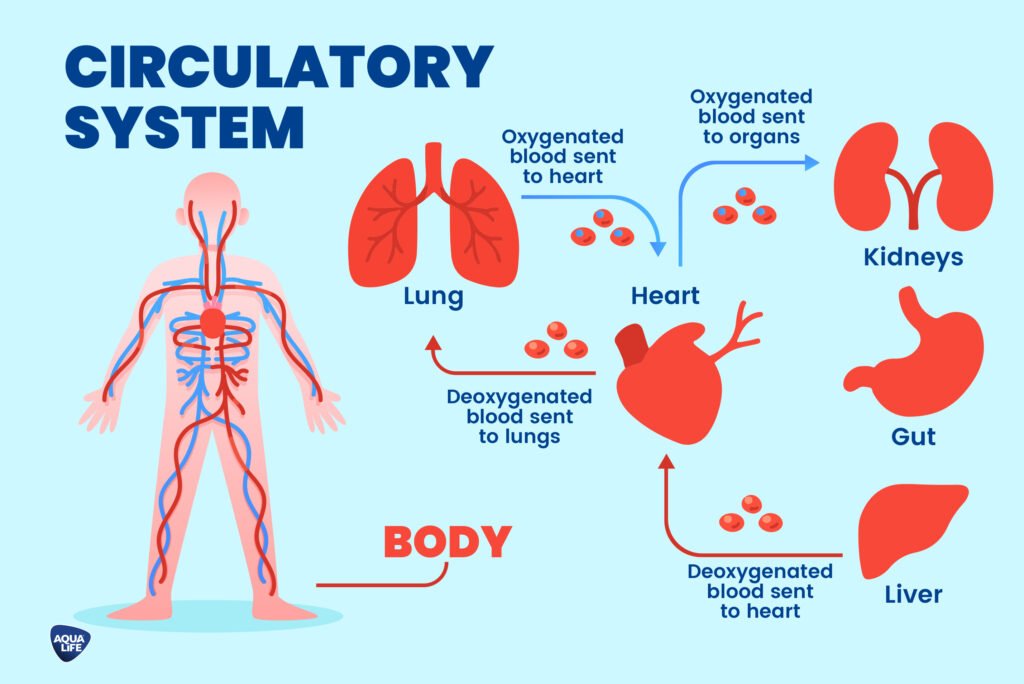
Proper hydration is essential for transporting nutrients, oxygen, and waste products to and from your cells. Water helps maintain blood volume, ensuring efficient circulation and nutrient delivery. Dr. Dana Cohen, a leading integrative medicine physician, emphasizes that “hydration is foundational to every cellular function in the body”.
When you’re properly hydrated, digestion and nutrient absorption are more effective. Water helps break down food and absorb essential nutrients in the intestines, which supports cellular health. These processes can be slowed by dehydration, resulting in deficiencies and impaired cellular function.
Maintaining optimal hydration ensures that your body can efficiently deliver essential nutrients to cells, supporting overall health and well-being.
Detoxification and Kidney Support: Flushing Out Toxins
Hydration plays a crucial role in detoxification by supporting the kidneys in filtering waste and toxins from the body. Water flushes out excess salt, urea, and other waste products through urine. Without adequate water intake, the kidneys cannot function efficiently, which may lead to toxins buildup in the bloodstream.
Proper hydration also prevents kidney stones, a common and painful condition. When you’re dehydrated, the urine becomes more concentrated, increasing the likelihood of minerals and salts forming stones. By drinking enough water, you dilute the urine, reducing kidney stone risk and supporting overall kidney health.
Staying hydrated reduces the risk of kidney issues and promotes overall health by allowing your kidneys to effectively remove waste and toxins.
Learn more about kidney stones.
Circulatory System and Heart Health: Hydration for Efficient Blood Flow
Proper hydration is essential for maintaining optimal blood volume, which directly impacts heart function and overall circulatory health. When adequately hydrated, the blood maintains its fluidity, allowing the heart to pump more efficiently and reducing strain on the cardiovascular system.
Dr. Oleg Chebotarev, a cardiologist with ThedaCare Cardiovascular Care, emphasizes the importance of hydration, He states, “Drinking water can help your heart function as it should. It can help your body more easily pump blood through your system. Put simply, staying well-hydrated means your heart doesn’t have to work as hard“.
Dehydration can decrease blood volume, making the heart work harder to circulate blood. This increased workload can elevate heart rate and blood pressure, potentially leading to cardiovascular strain and increased risk of heart-related issues.
Proper hydration helps regulate blood pressure and reduces cardiovascular complications. Drinking adequate amounts of water daily is important, adjusting for factors such as activity level, climate, and health condition.
Consequences of Chronic Dehydration: Risks and Symptoms to Watch For
Chronic dehydration can have serious effects on the body, and the symptoms often go unnoticed until they become severe. Dehydration symptoms include fatigue, headaches, and dizziness. These occur because, without sufficient water, your body struggles to maintain blood circulation and proper oxygenation, which affects your energy levels and mental clarity.
When dehydration continues, the risks increase. The National Kidney Foundation emphasizes that prolonged dehydration can lead to kidney damage, as the kidneys rely on water to filter waste and regulate electrolytes. Dehydration increases the risk of kidney stones, urinary tract infections, and kidney failure.
Dehydration also disrupts electrolyte balance, which is vital for muscle function. As a result, muscle cramps are common, especially during physical exertion. Furthermore, the Mayo Clinic points out that dehydration can impair cognitive function, leading to difficulty concentrating, memory issues, and even mood changes. Proper hydration is essential for physical health and mental well-being.
Recognizing dehydration symptoms early and ensuring adequate fluid intake can prevent these long-term health complications.

Conclusion: The Importance of Prioritizing Hydration for Optimal Health
In conclusion, hydration plays a vital role in overall health. It supports numerous bodily functions, from regulating temperature and nutrient transport to aiding detoxification. It is easier for your body to perform these essential functions when it is properly hydrated, preventing fatigue, kidney stones, and cognitive decline.
Hydration boosts energy, promotes heart health, aids digestion, and enhances cognitive function. Prioritizing hydration is a simple yet powerful way to ensure your body functions at its peak. Whether you’re exercising, working, or relaxing, drinking enough water throughout the day prevents dehydration and keeps you feeling your best.
By making hydration a daily priority, you’re giving your body the foundation it needs for long-term health and vitality.
Looking to stock Aqualife? Let’s connect.
CONTACT US